
Winners announced for the Cavendish Photography Competition 2025
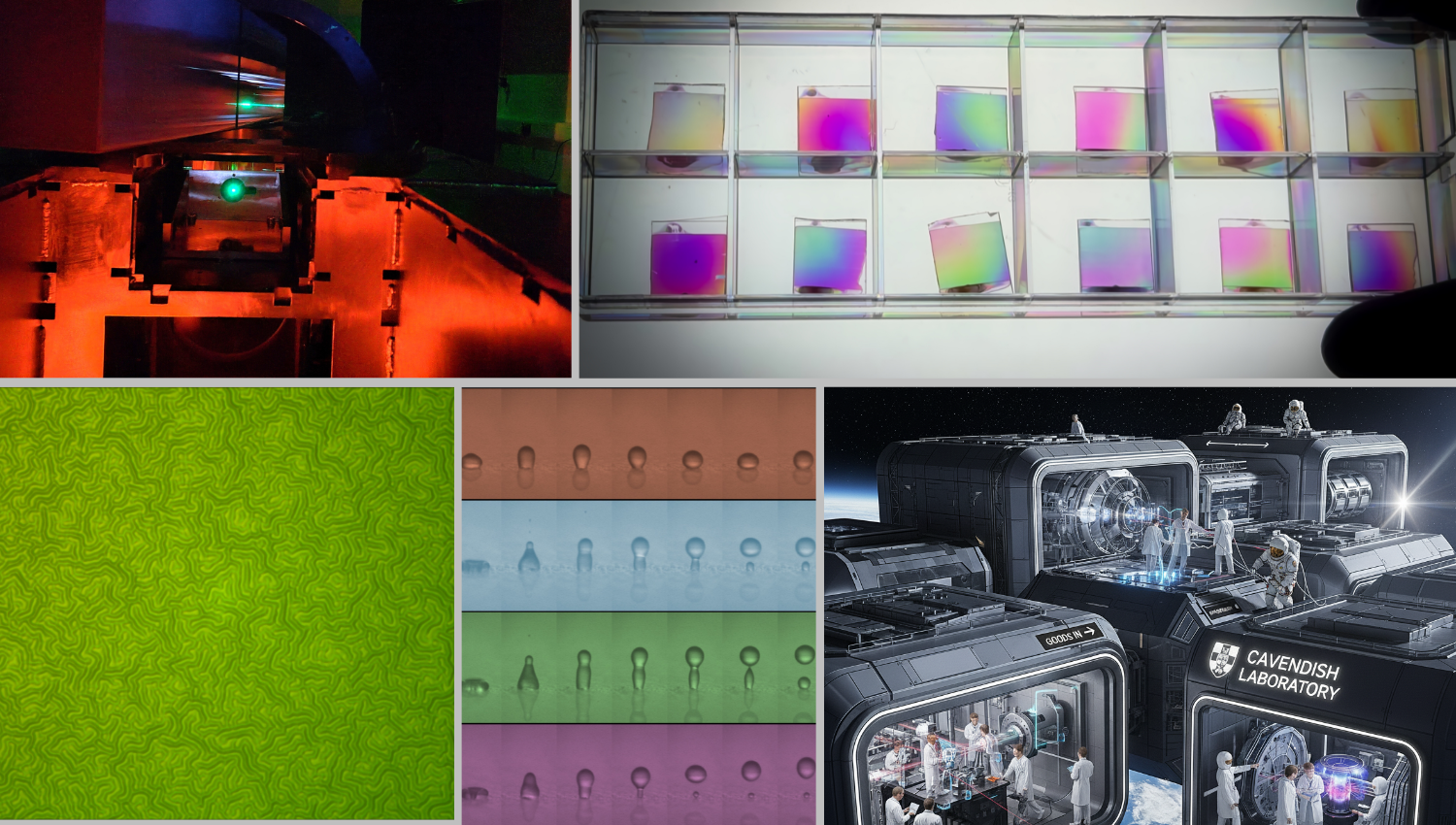

The 2025 Photography Competition showcased some impressive images celebrating our theme, ‘The Next 150 Years of Physics at the Cavendish’, reflecting innovation, collaboration, and the pioneering spirit that continues to shape the future of science at the Ray Dolby Centre.
The winning photographs reflect the Department’s vibrant and interdisciplinary research culture, spanning areas such as Energy Materials, Physics of Soft Matter and NanoSystems, Theory of Condensed Matter, and Astrophysics.
All entries were judged anonymously on the basis of thematic relevance, scientific accuracy, uniqueness, and visual appeal. While two entries received prizes, the judging panel also commended three additional submissions, including one in the AI category, for their creativity and alignment with the competition theme.
The 2025 prize winners and commended entries are:
First prize
Awarded to The Hidden Heart of HARPS3, by Samantha Thompson from the Astrophysics group.
“The High Accuracy Radial velocity Planet Searcher 3 (HARPS3) is a high-resolution astronomical spectrograph built to enable the Terra Hunting Experiment, a radial-velocity survey to detect exoplanets akin to Earth. As the next 150 years of physics dawns throughout the new Ray Dolby Centre, HARPS3 is making its way from the Cavendish to the Isaac Newton Telescope where a new era of our own research endeavours begins: we and our ten international partners will start our 10-year experiment to expand the current detection threshold into long-period-low-mass exoplanets, taking us into the next decade and beyond of novel exoplanet discoveries.
At the heart of HARPS3 is this rarely seen marvel of optics – an 840 mm long mosaicked Echelle diffraction grating. Once the spectrograph system is aligned, the 3-metre-long vacuum vessel housing will be sealed, and it will remain unseen for the duration of the experiment to ensure the utmost stability for the measurements.
However, the real hidden heart of HARPS3 is the amazing team of physicists and engineers – my colleagues and friends – that have worked alongside me for so many years, turning a decade of dedication into an instrument poised to reshape our understanding of our place within the universe.”

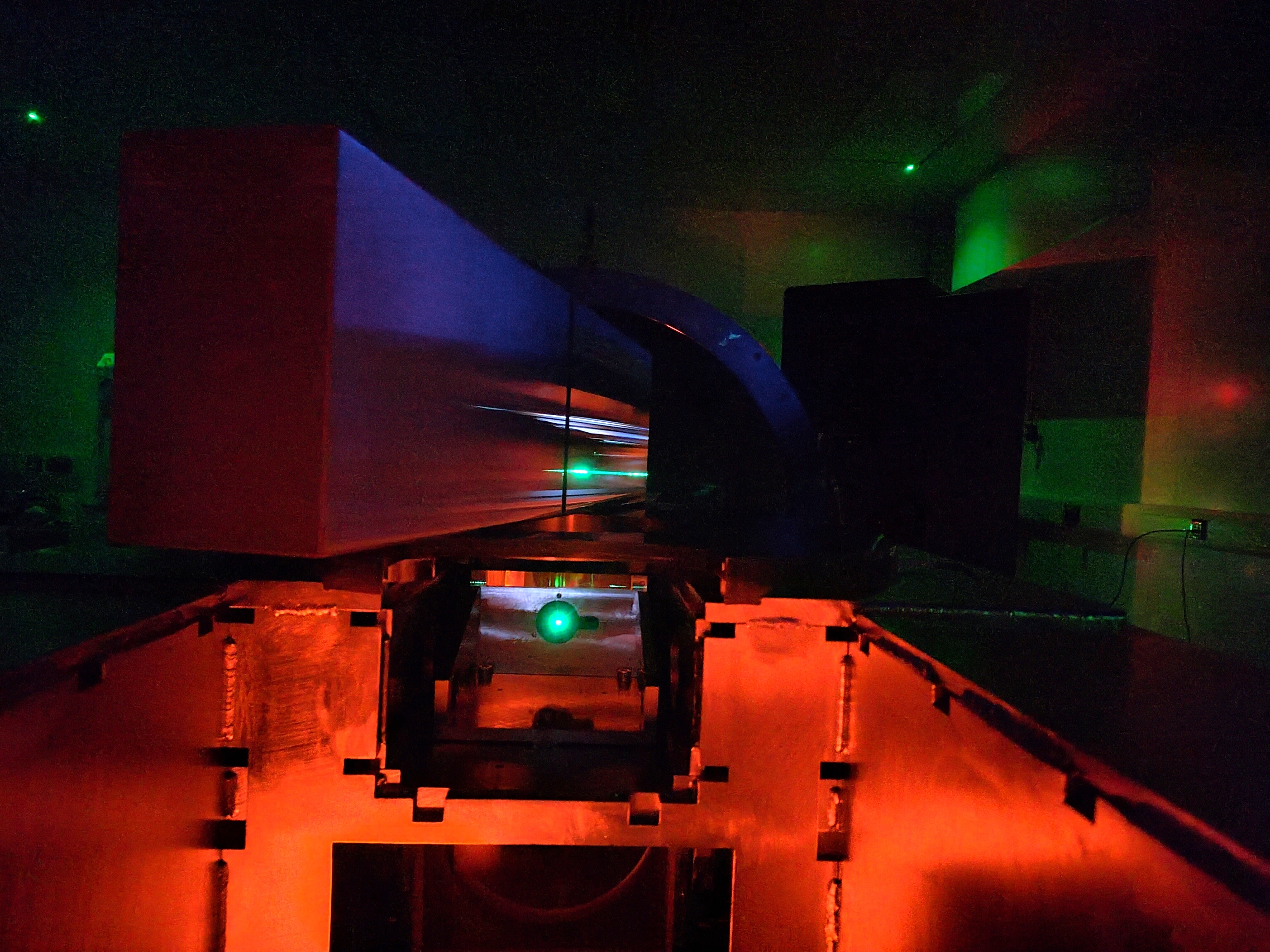
The Hidden Heart of HARPS3, by Samantha Thompson
The Hidden Heart of HARPS3, by Samantha T
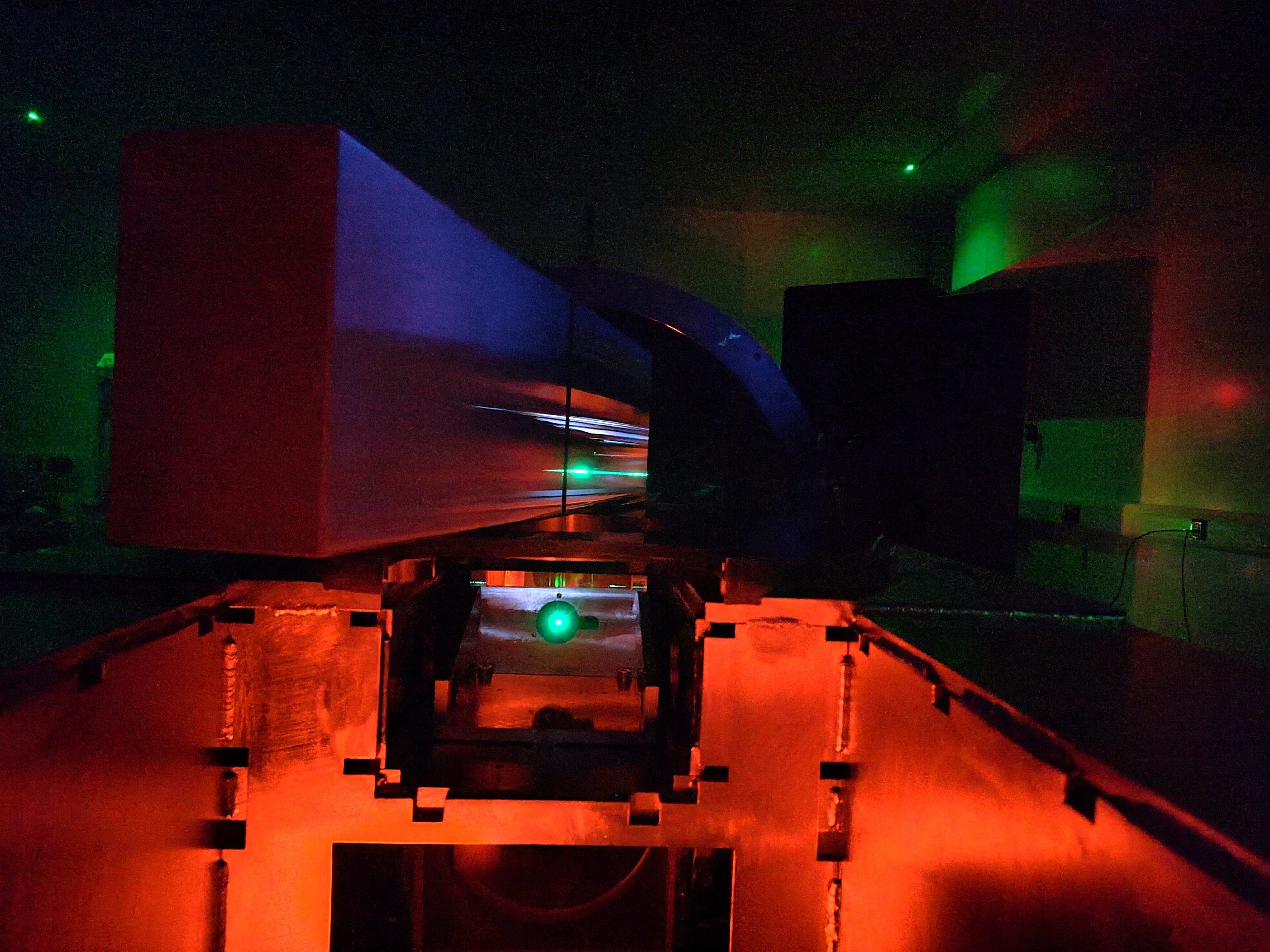
The Hidden Heart of HARPS3, by Samantha Thompson
The Hidden Heart of HARPS3, by Samantha T
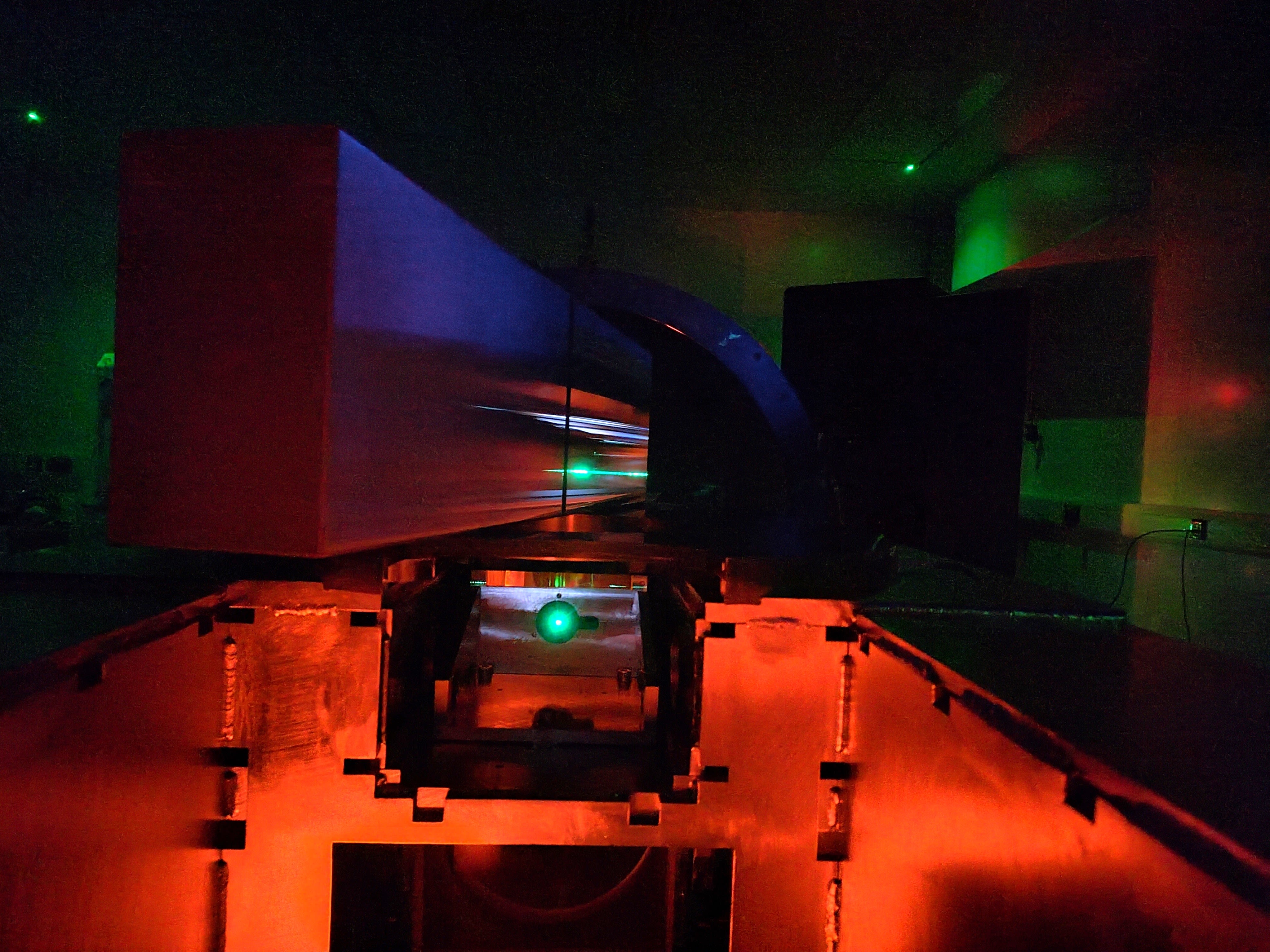
The Hidden Heart of HARPS3, by Samantha Thompson
The Hidden Heart of HARPS3, by Samantha T
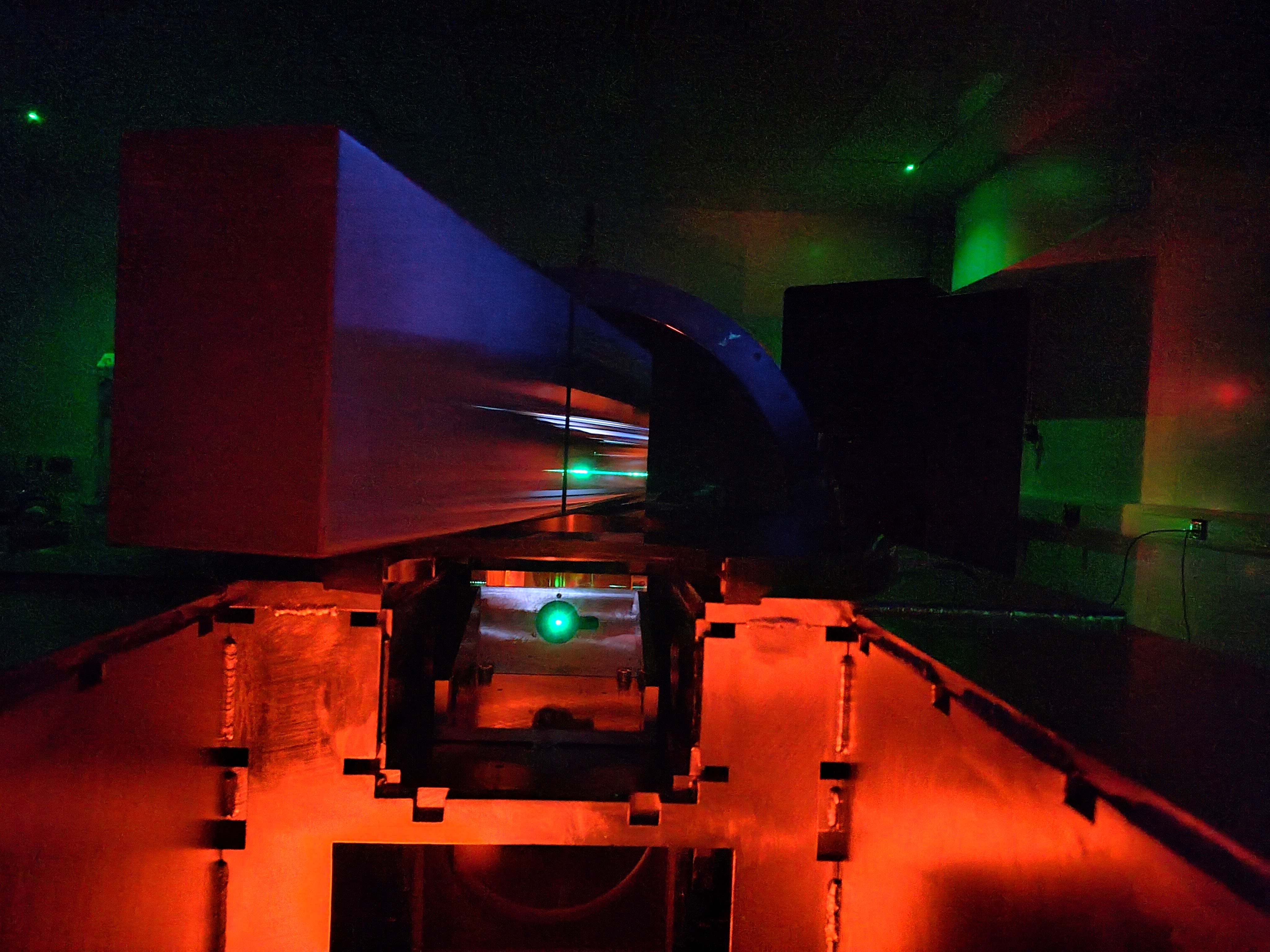
The Hidden Heart of HARPS3, by Samantha Thompson
The Hidden Heart of HARPS3, by Samantha T
Head of Department prize
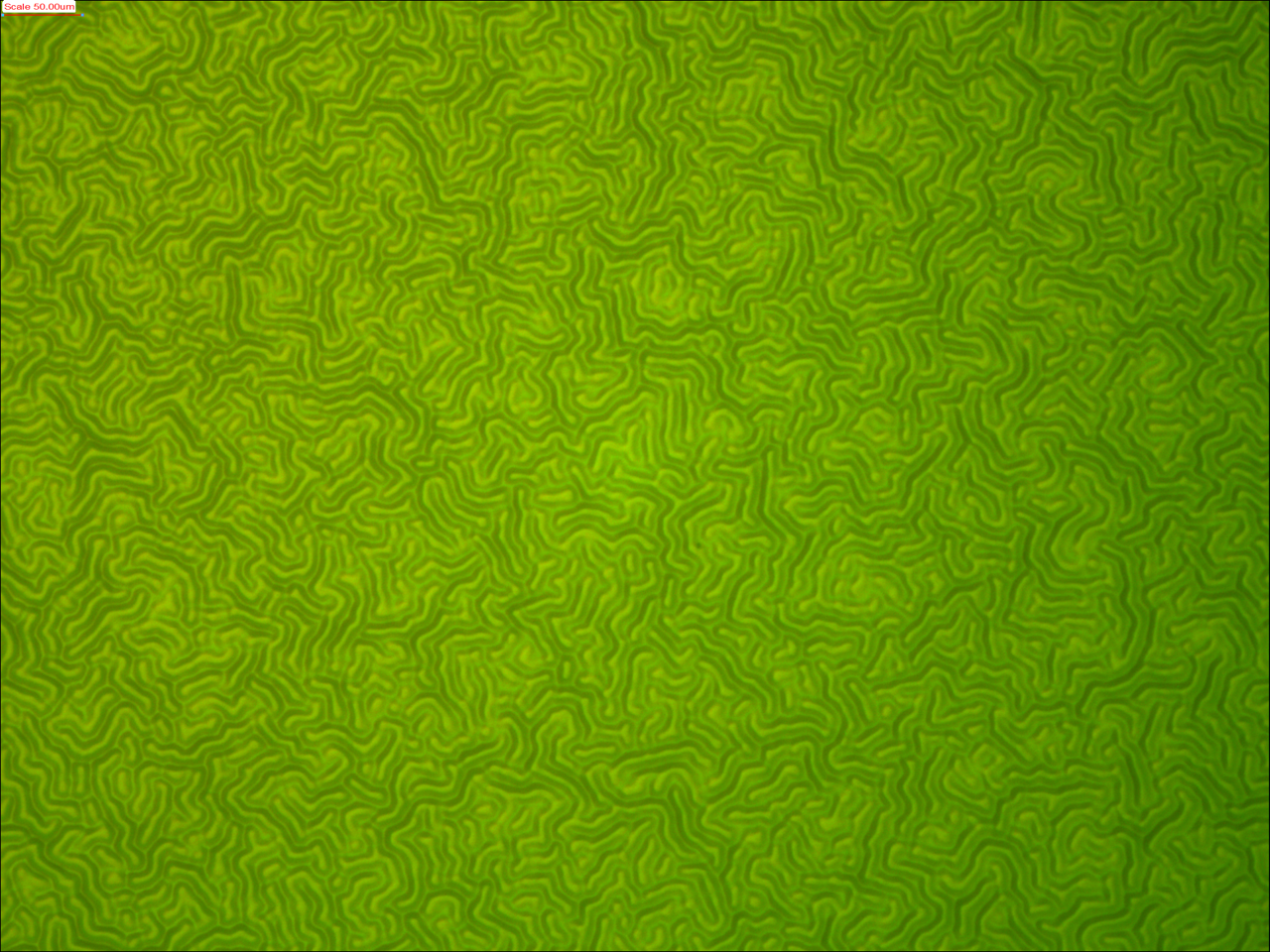
Awarded to Wrinkles, by Elliot Goldberg from the Optoelectronics group.
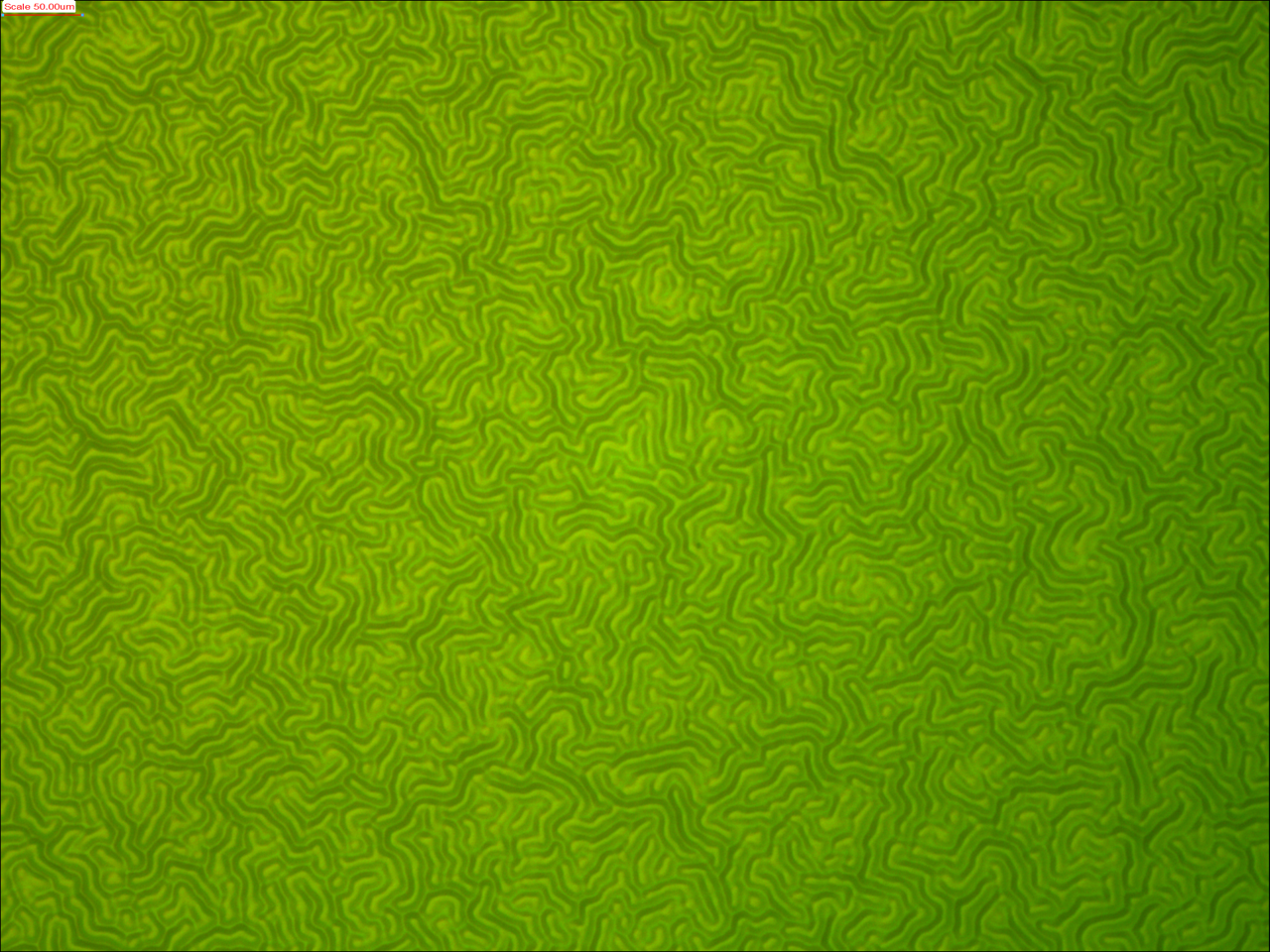
Wrinkles, by Elliot Goldberg.
Wrinkles, by Elliot Goldberg
Wrinkles, by Elliot Goldberg
Wrinkles, by Elliot Goldberg
Wrinkles, by Elliot Goldberg
Wrinkles, by Elliot Goldberg
Wrinkles, by Elliot Goldberg
Wrinkles, by Elliot Goldberg
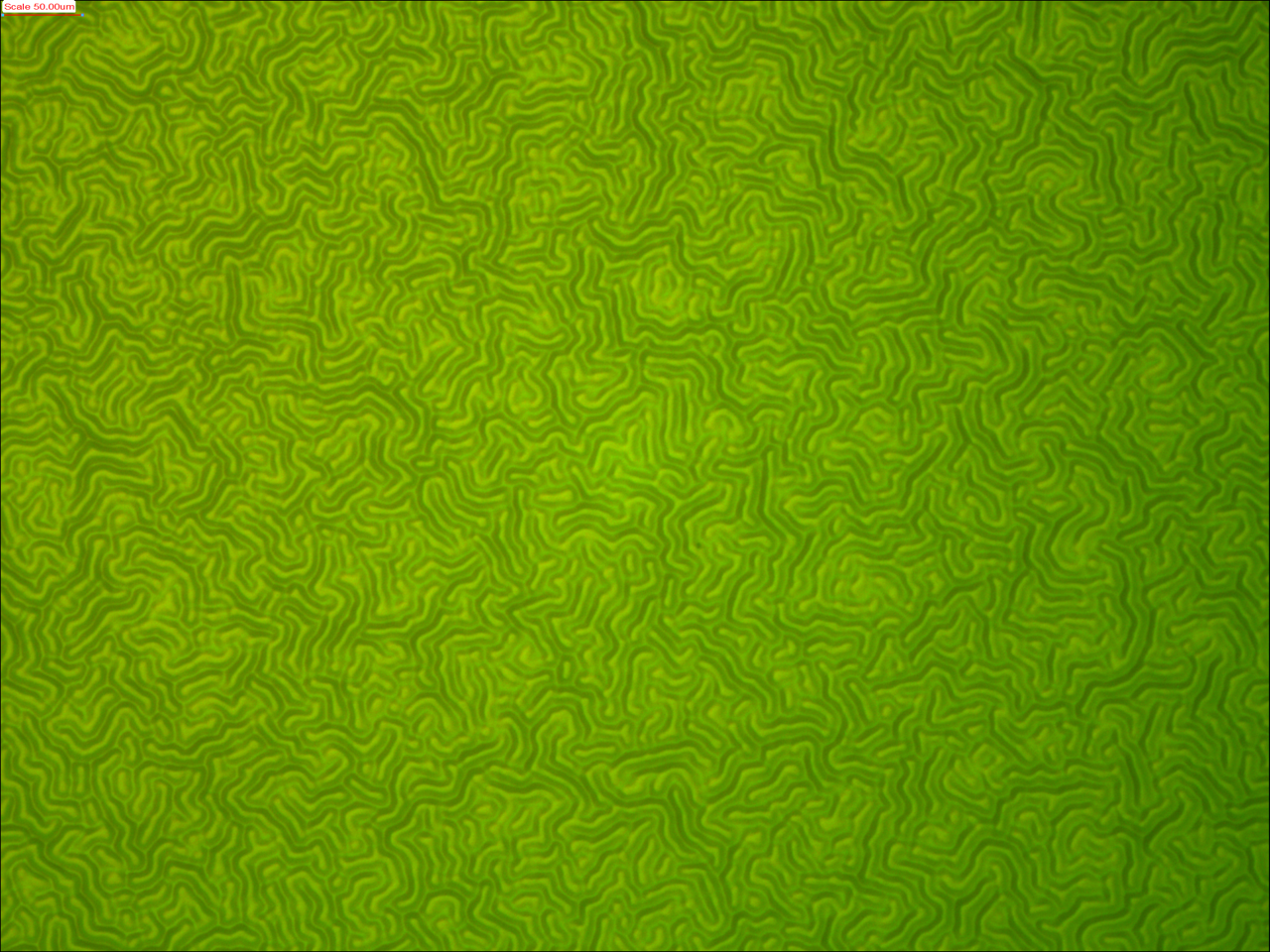
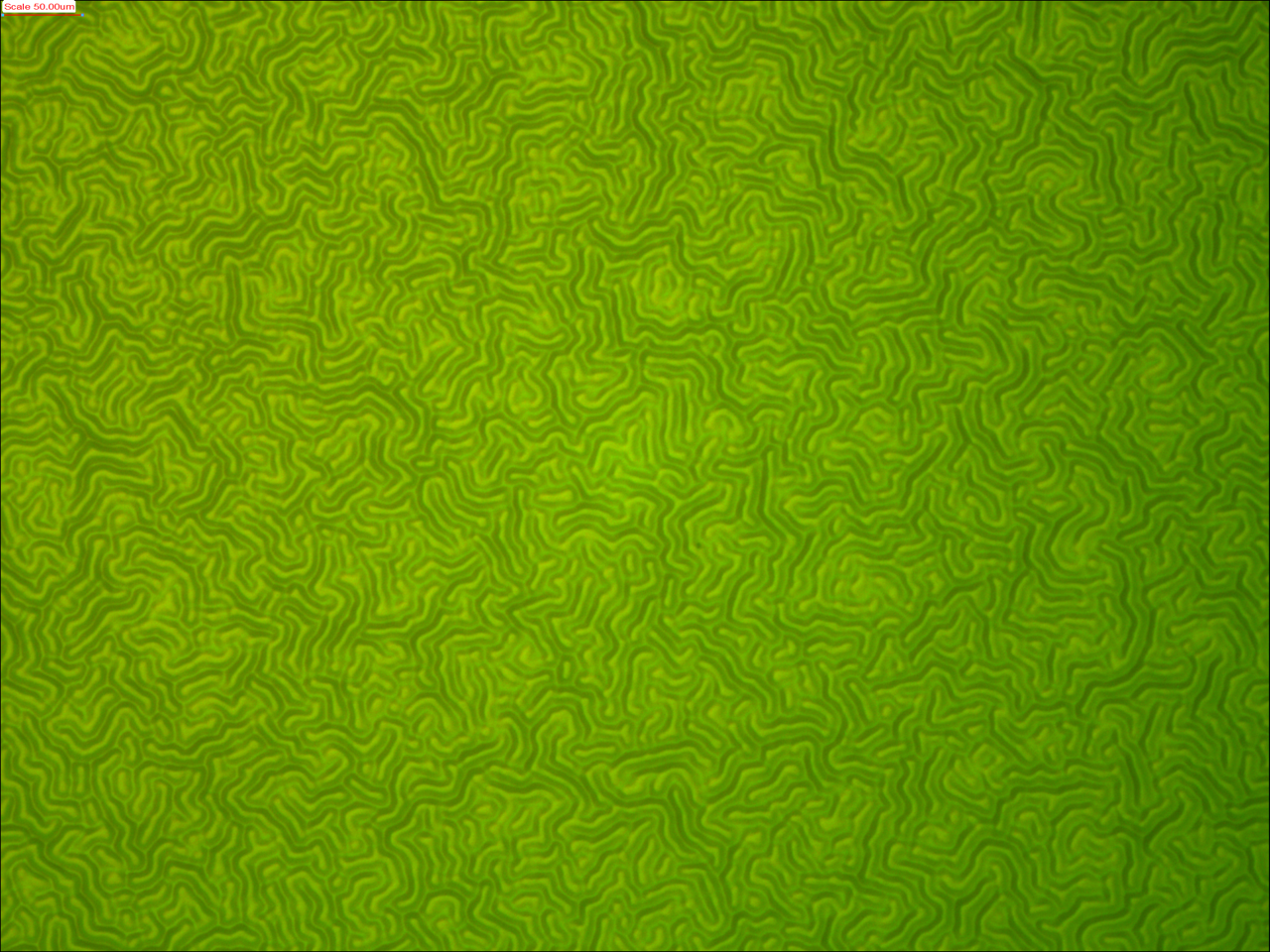
“It is a microscope image of a PDMS (polydimethylsiloxane) film which has become wrinkled after exposure to a vacuum.
In relation to the theme “Next 150 Years of Physics at the Cavendish” I think what strikes me most is that it really strongly resembles a maze, with lots of intersecting paths and ways to turn. To me this is a strong reminder of how physics works – the path in front of us is often obscured but in taking the long way round we can come to unexpected and exciting new discoveries, even if different from where we initially wanted to go. I was not planning to get these wrinkles when I started making the film, and I have experienced many twists in my own research journey, but they led to this nice piece of art. The Cavendish has been a great place to explore new directions and my hope is that the next 150 years offer just as many new paths for physics to take.”
Commended entries
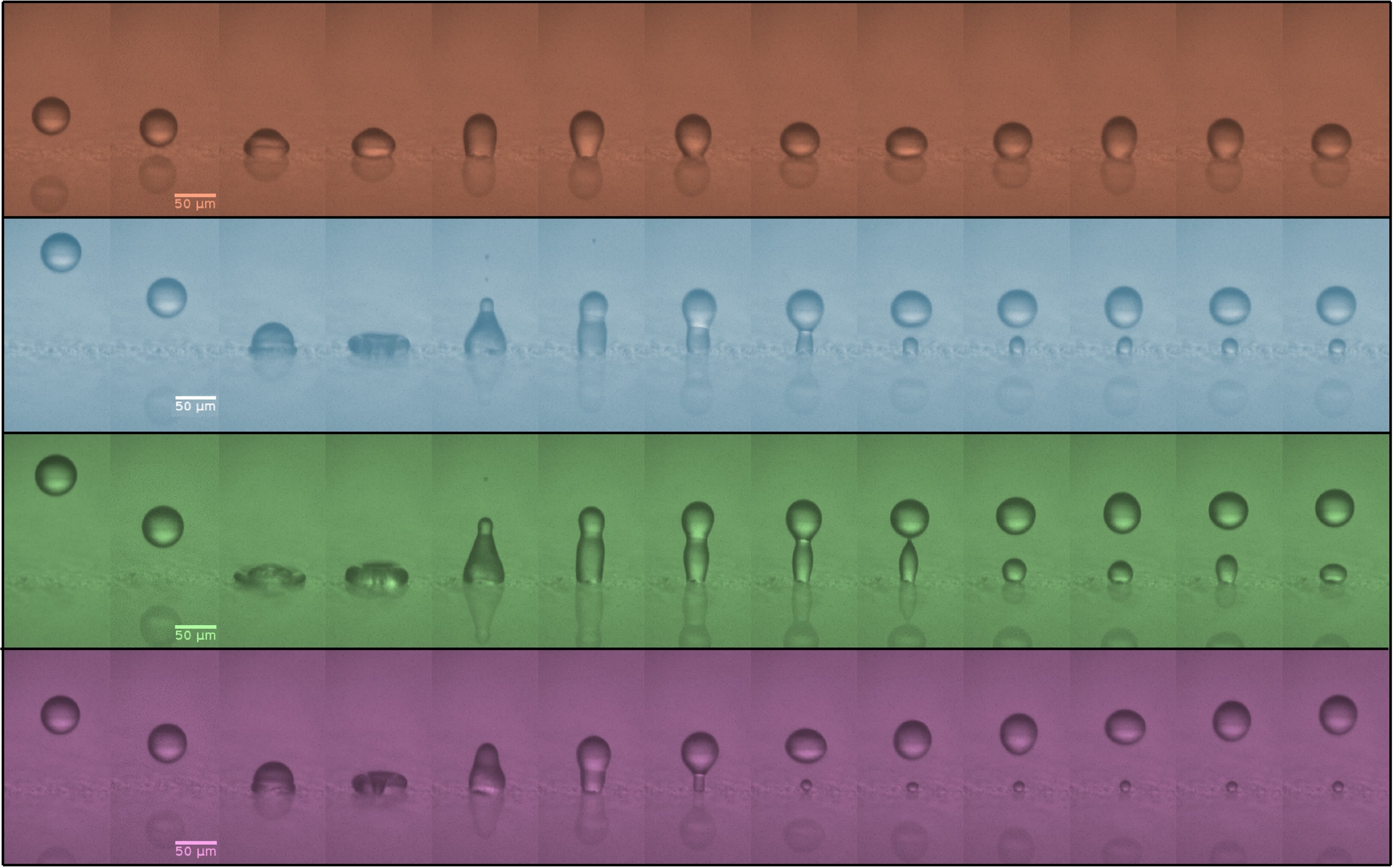
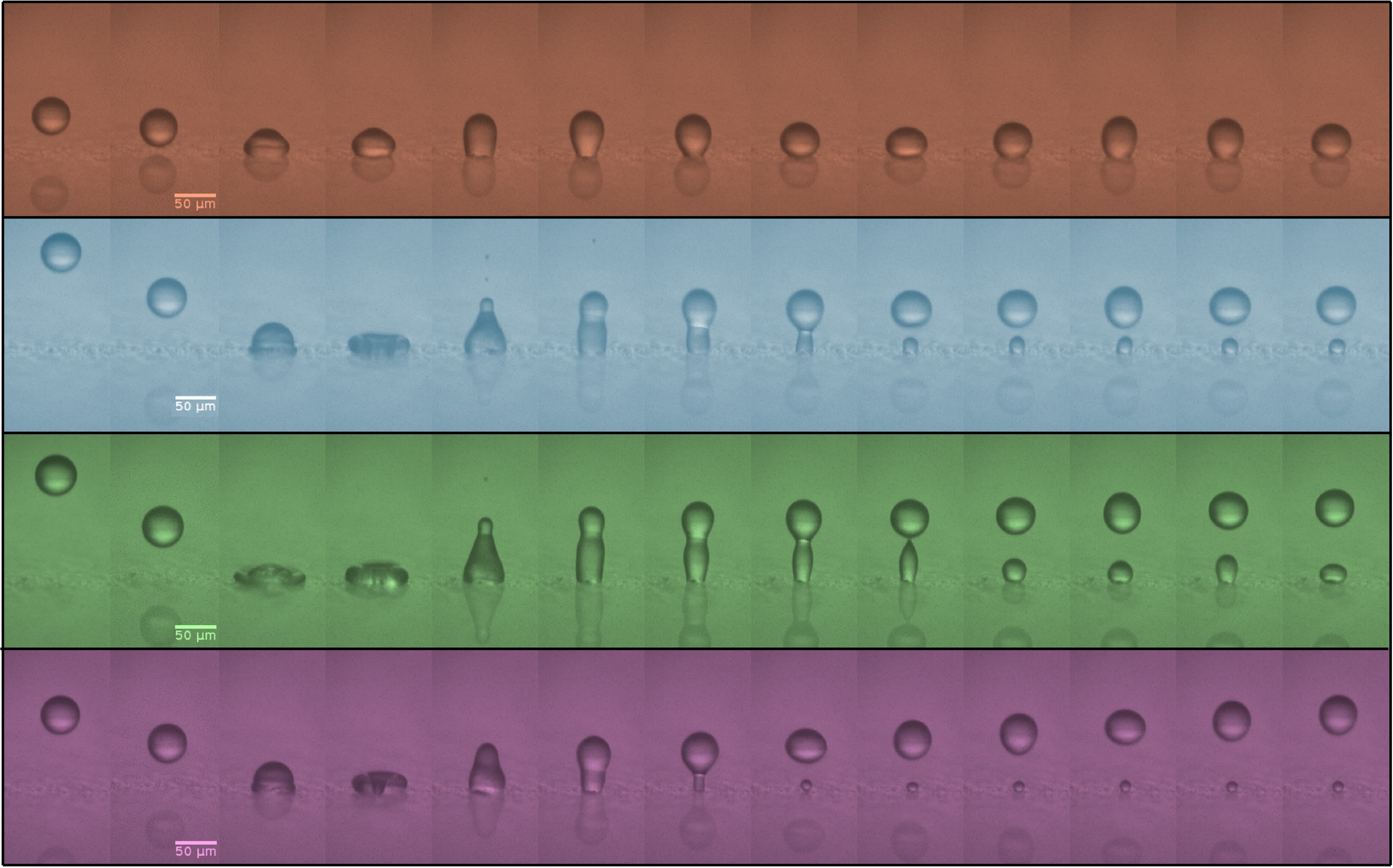
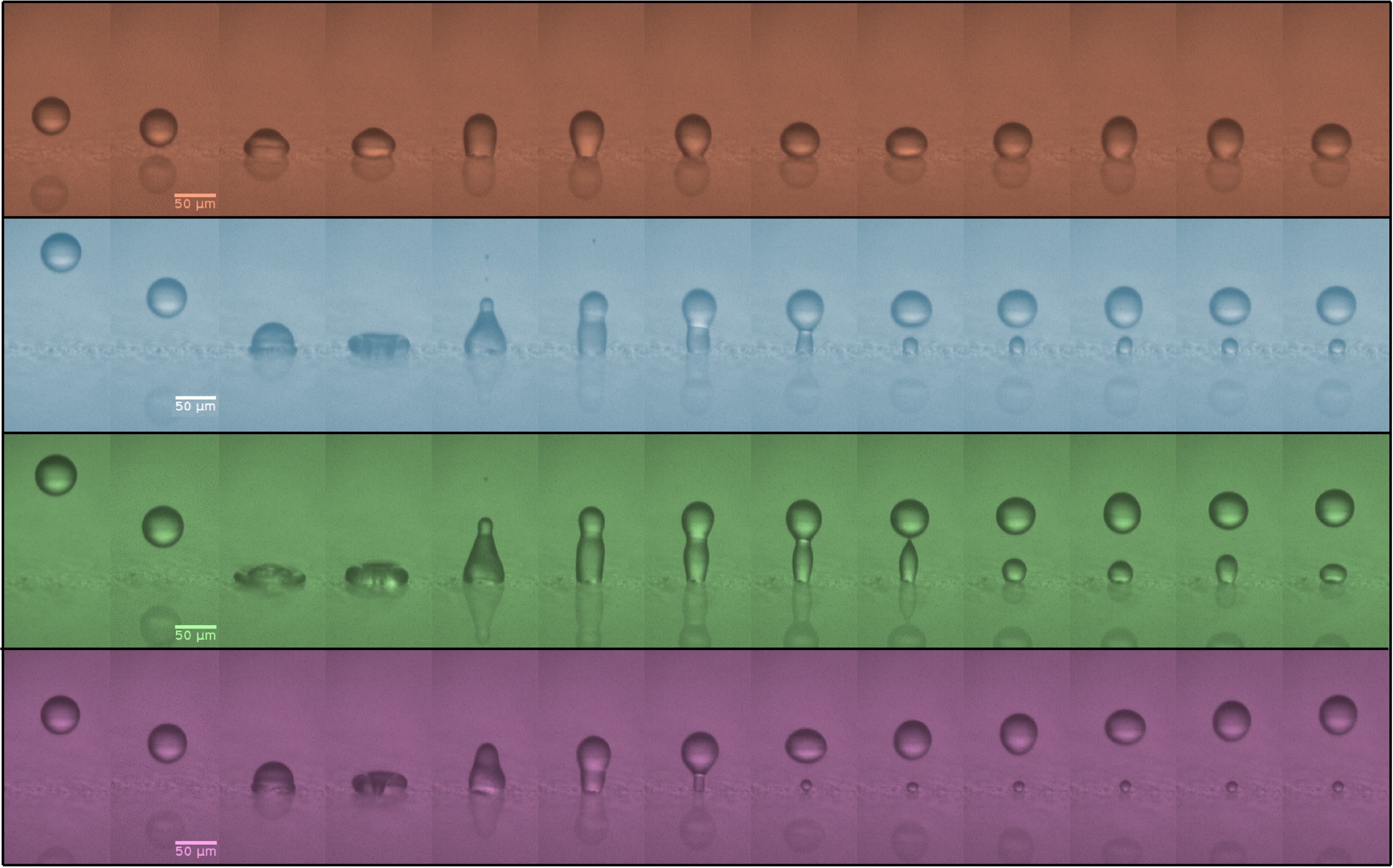
Bounce or Stick? Microdroplet Impact Dynamics, by Jamie McLauchlan from the Theory of Condensed Matter group
“This image shows tiny water droplets, each smaller than the width of a human hair, striking a water-repellent surface while traveling at around 20 kilometres per hour. The speed increases from top to bottom: at gentle speeds the droplets cling to the surface, while at higher speeds they spring back up, leaving traces of liquid behind. What you see here unfolds in less than a thousandth of a second, yet it reveals the delicate balance of forces that governs droplets in the world around us, from how sneeze droplets hit a face mask, to how crop sprays bounce off leaves or rain clings to aircraft wings.
These snapshots capture fluid physics in motion that we could not have captured even 10 years ago. Though such events have occurred since the dawn of fluids, our ability to study them today reminds us how much more we may come to understand in the next 150 years of technological and scientific progress at the Cavendish. This work, a collaboration between the Universities of Bath, Bristol, and Cambridge, also embodies the same spirit of collaboration and shared discovery that will continue to define physics in the next 150 years.”

Bounce or Stick? Microdroplet Impact Dynamics, by Jamie McLauchlan
Bounce or Stick? Microdroplet Impact Dynamics, by Jamie McLauchlan
Bounce or Stick? Microdroplet Impact Dynamics, by Jamie McLauchlan
Bounce or Stick? Microdroplet Impact Dynamics, by Jamie McLauchlan
Bounce or Stick? Microdroplet Impact Dynamics, by Jamie McLauchlan
Bounce or Stick? Microdroplet Impact Dynamics, by Jamie McLauchlan
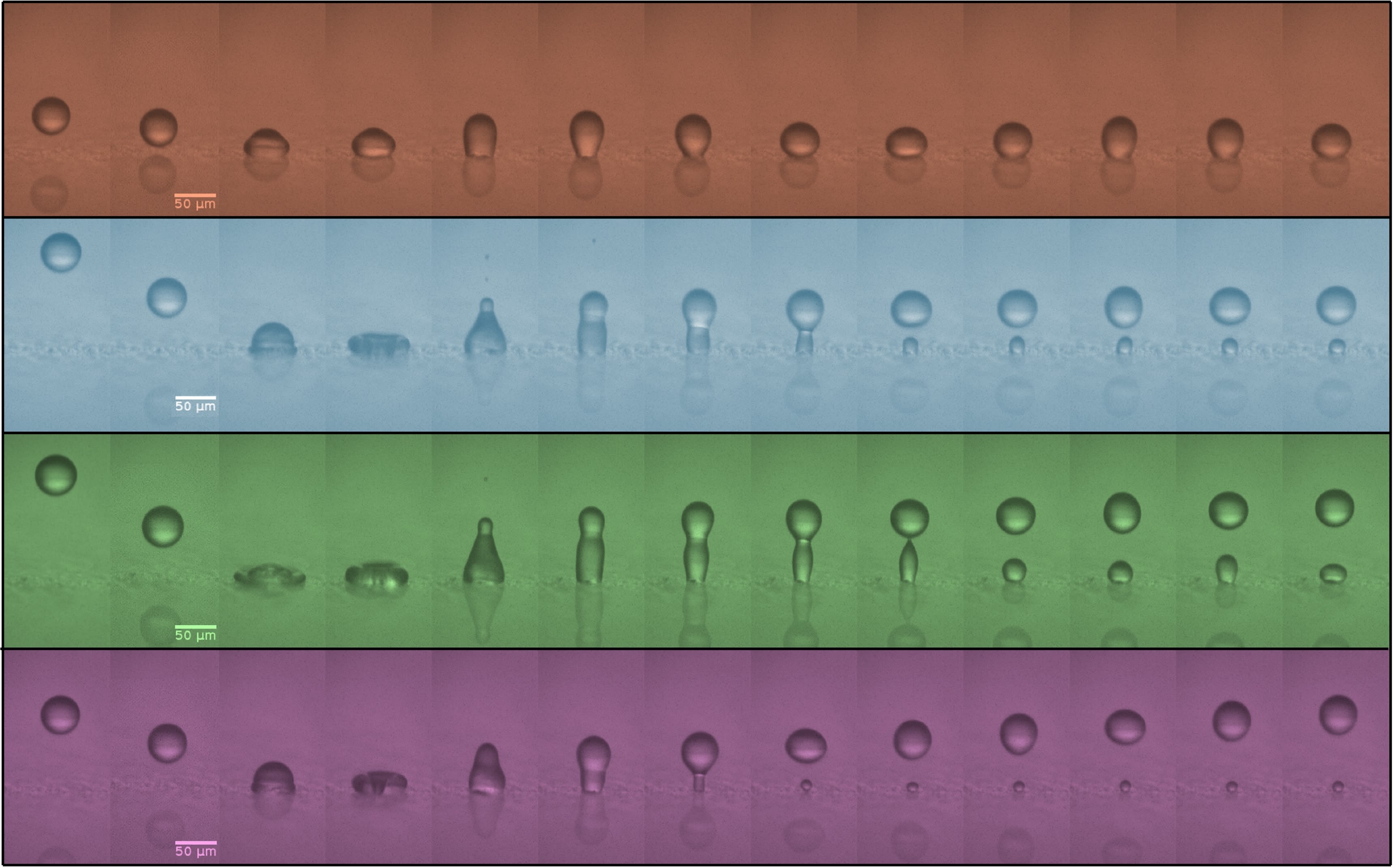
Bounce or Stick? Microdroplet Impact Dynamics, by Jamie McLauchlan
Bounce or Stick? Microdroplet Impact Dynamics, by Jamie McLauchlan
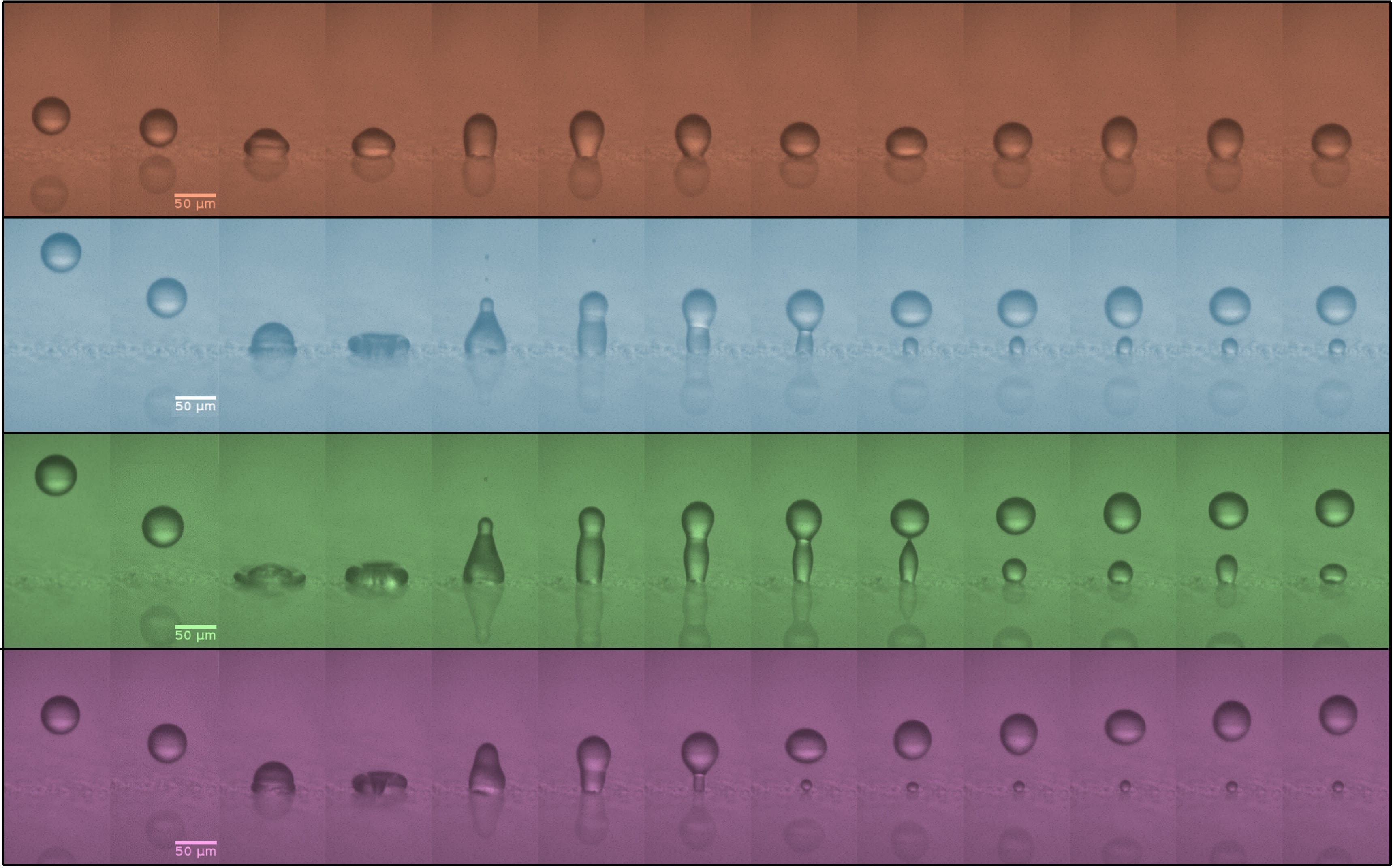
Bounce or Stick? Microdroplet Impact Dynamics, by Jamie McLauchlan
Bounce or Stick? Microdroplet Impact Dynamics, by Jamie McLauchlan
Rainbows from Order Hidden in Disorder, by Juncheng Fan from the Optoelectronics group

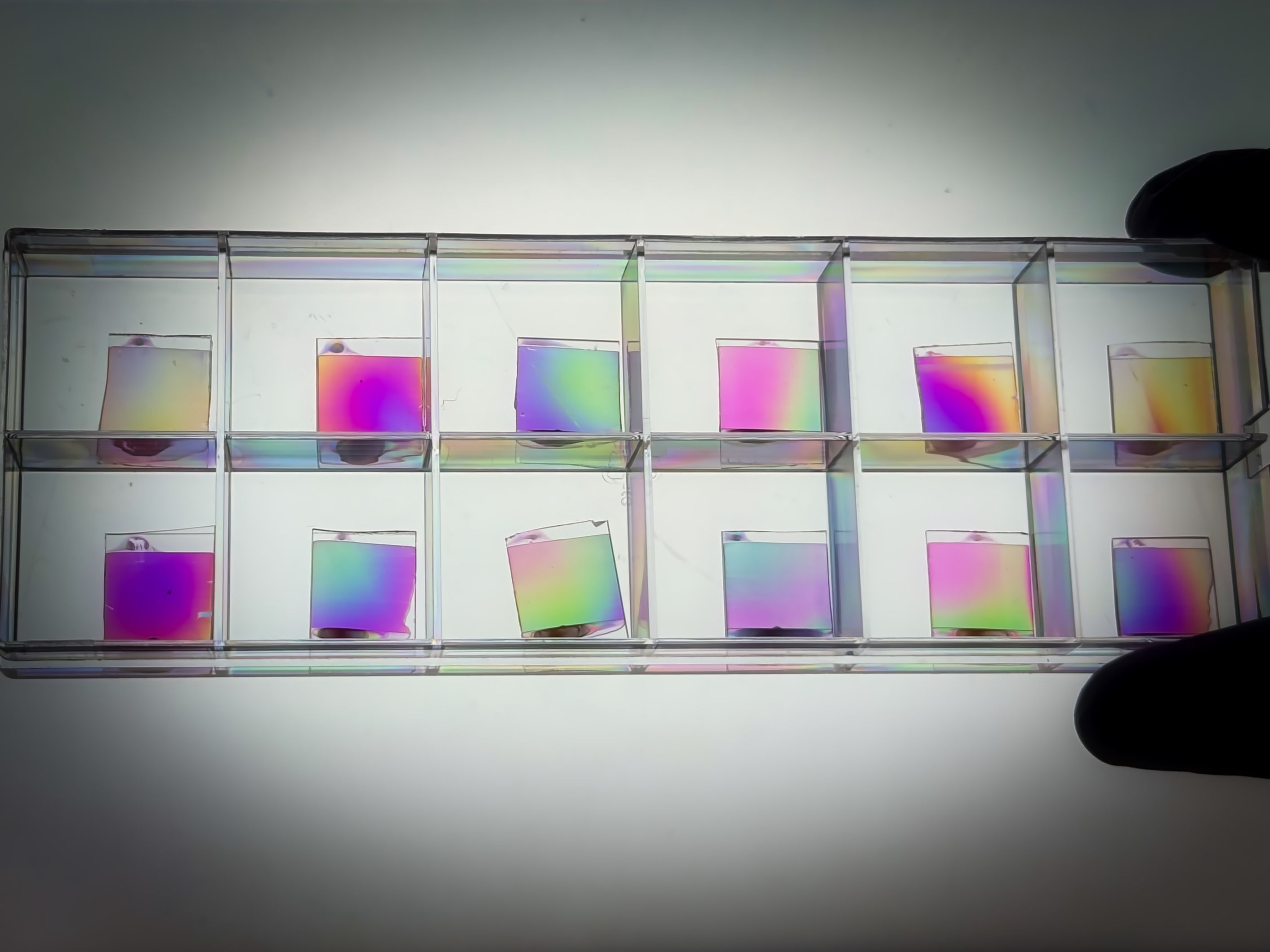
Rainbows from Order Hidden in Disorder, by Juncheng Fan
Rainbows from Order Hidden in Disorder, by Juncheng Fan
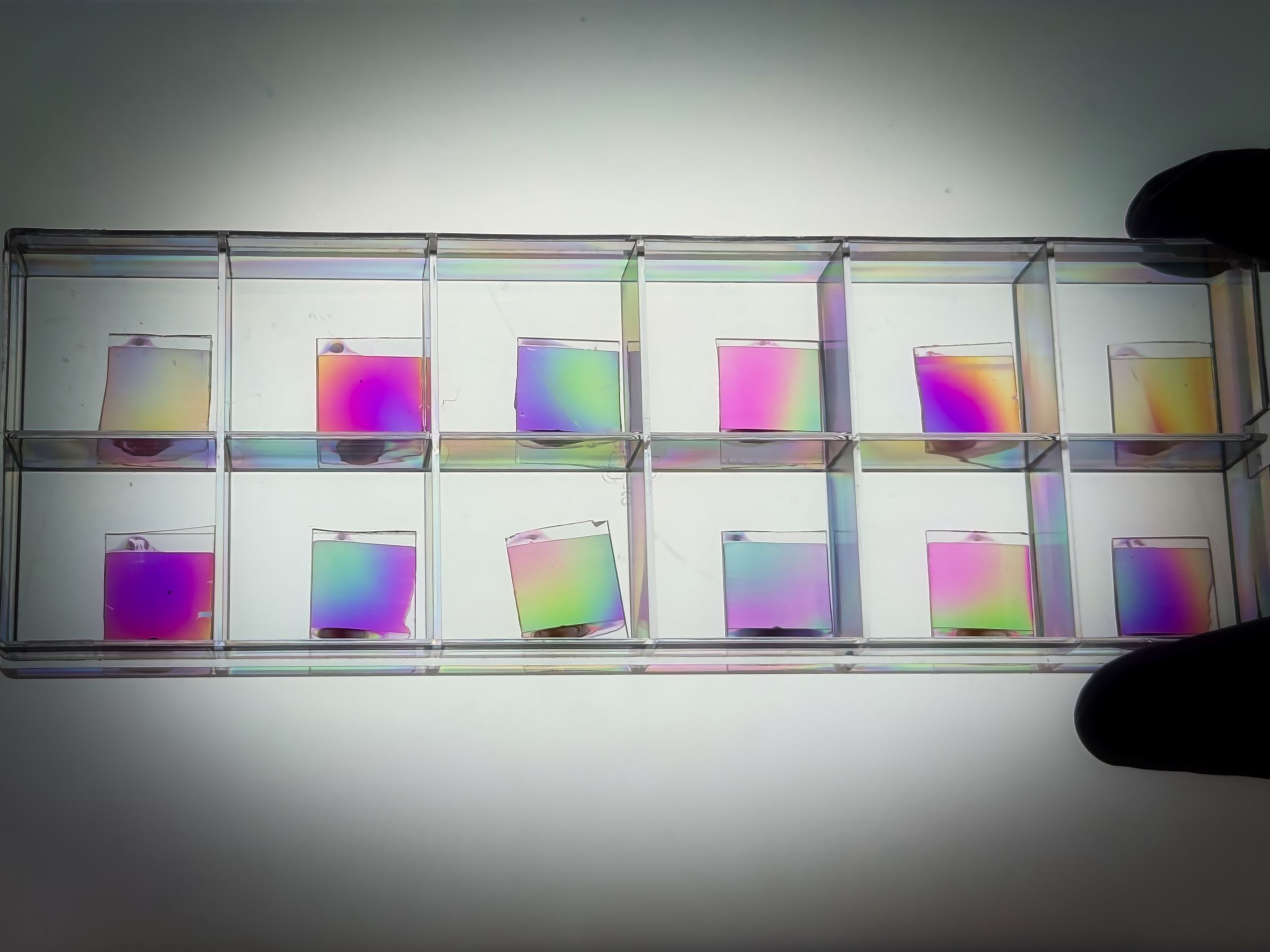
Rainbows from Order Hidden in Disorder, by Juncheng Fan
Rainbows from Order Hidden in Disorder, by Juncheng Fan
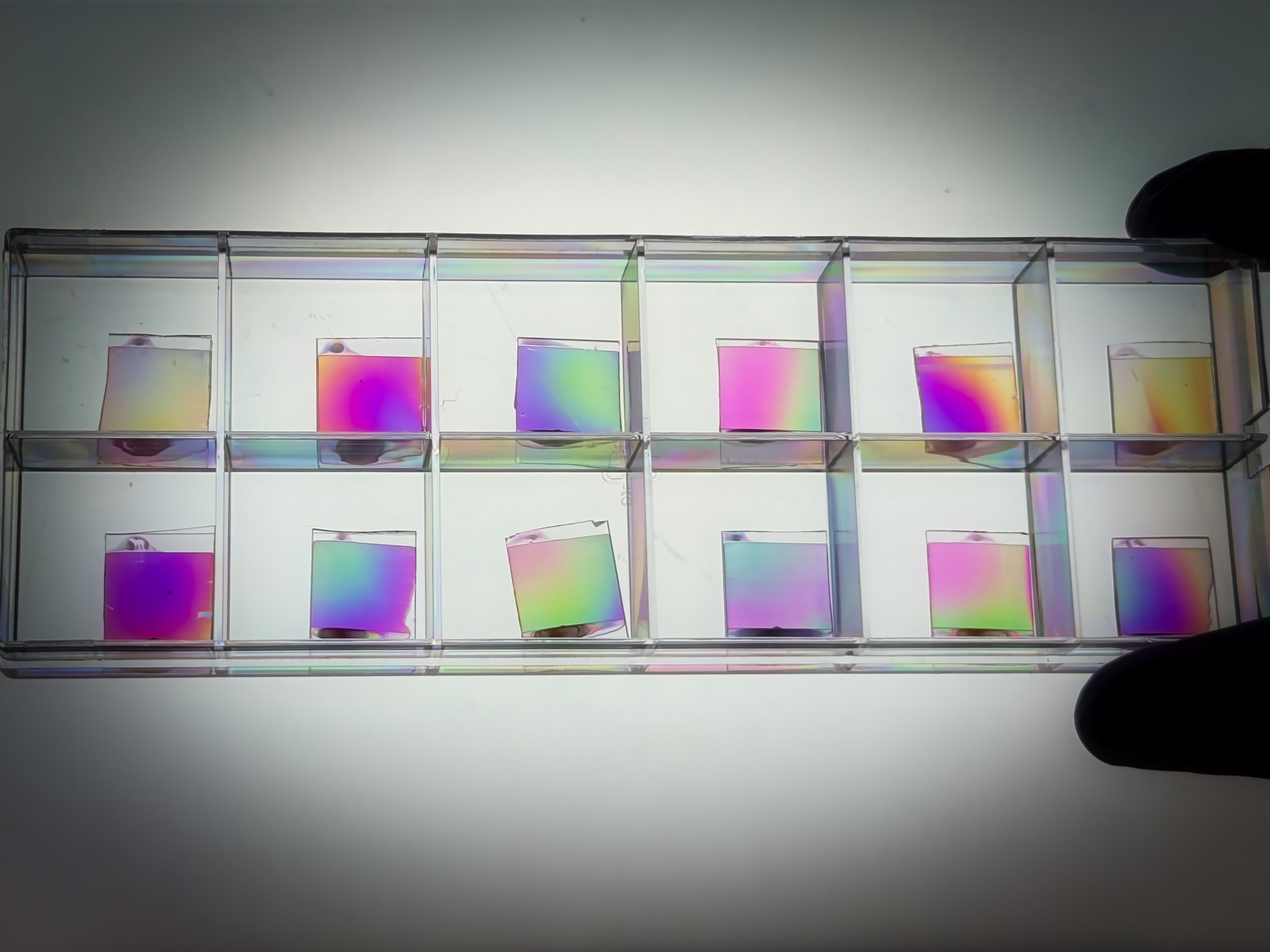
Rainbows from Order Hidden in Disorder, by Juncheng Fan
Rainbows from Order Hidden in Disorder, by Juncheng Fan
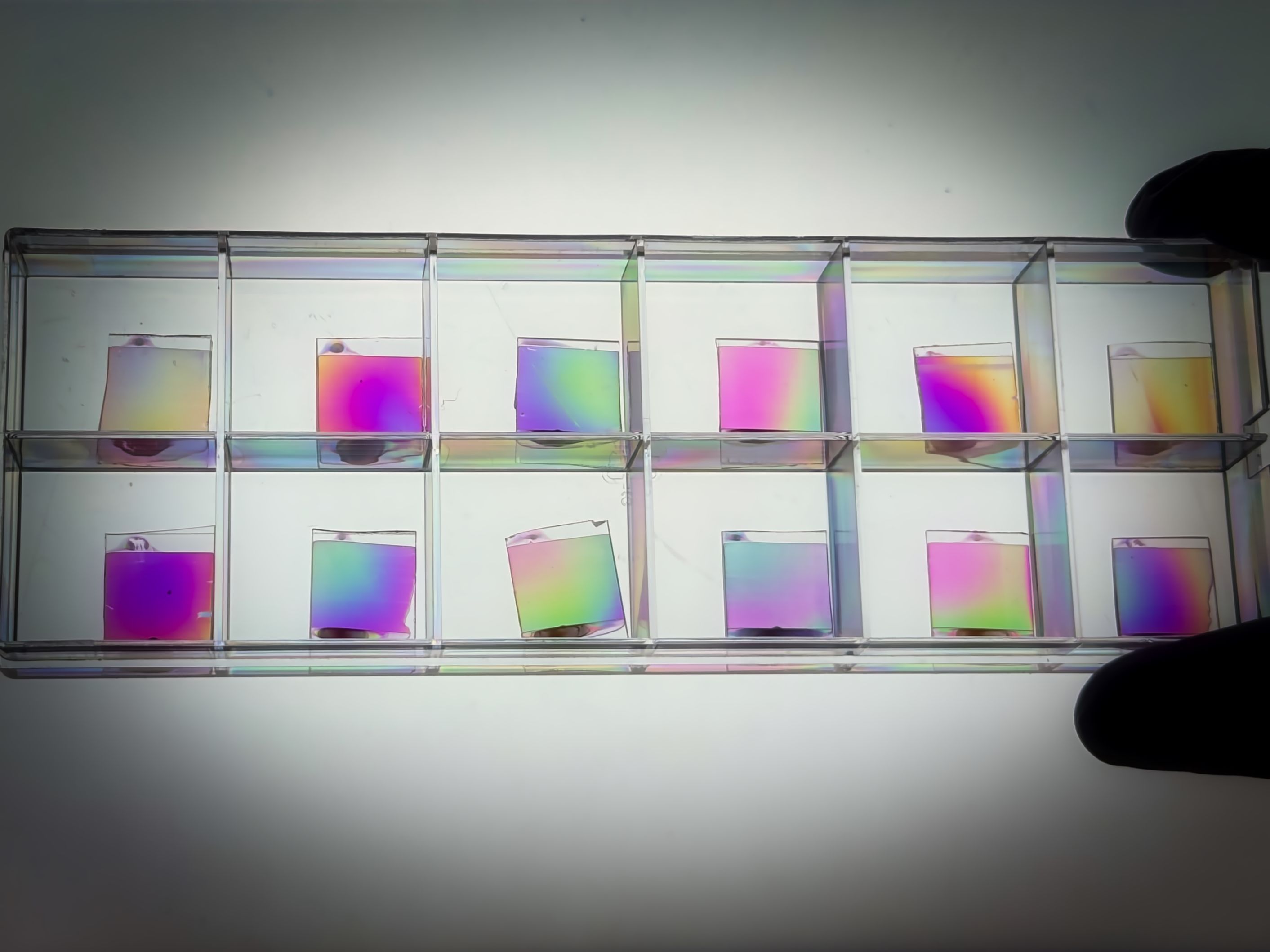
Rainbows from Order Hidden in Disorder, by Juncheng Fan
Rainbows from Order Hidden in Disorder, by Juncheng Fan
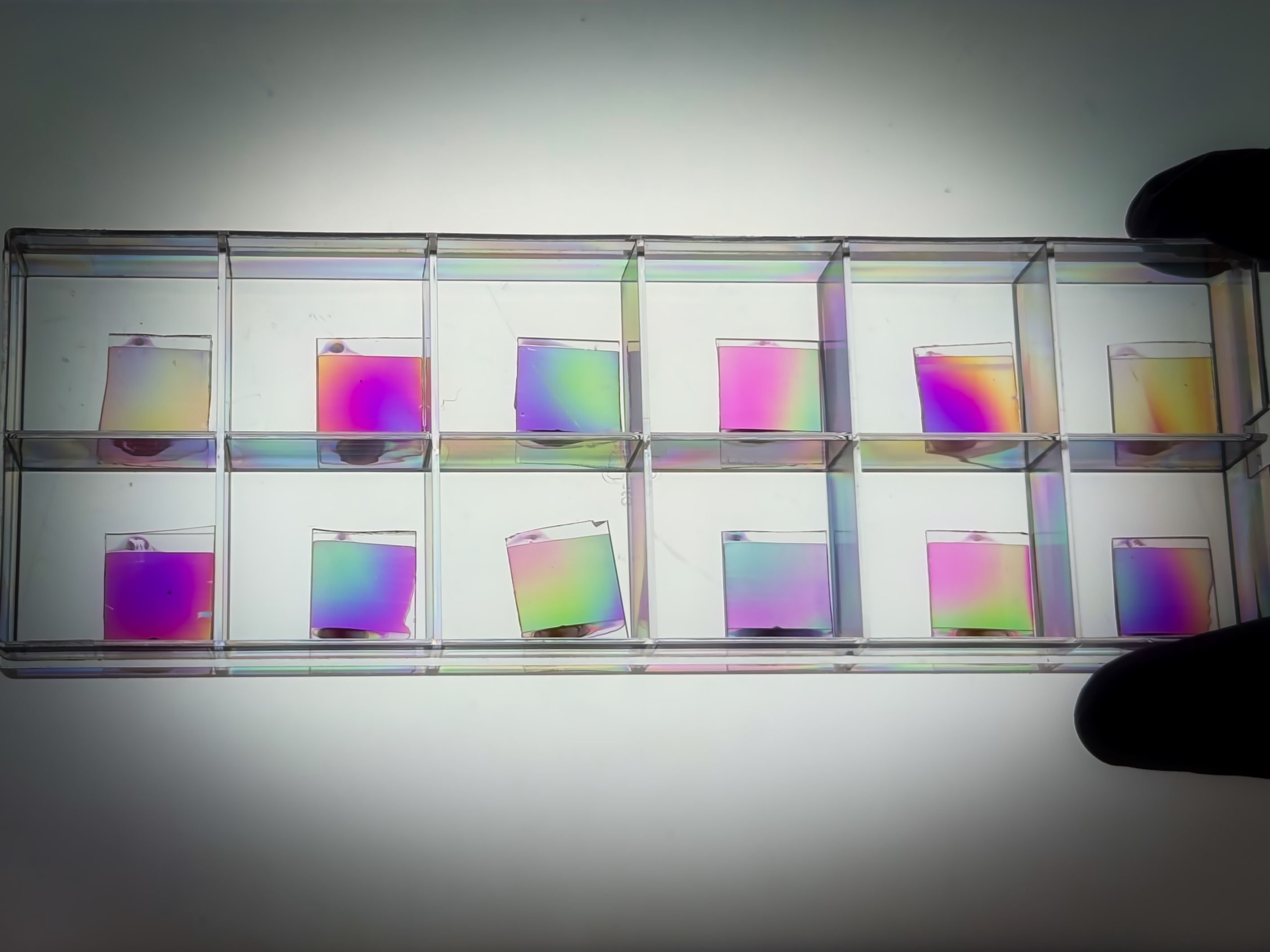
Rainbows from Order Hidden in Disorder, by Juncheng Fan
Rainbows from Order Hidden in Disorder, by Juncheng Fan
“Polymer materials are often considered disordered, lacking the long-range symmetry of crystals. Under normal light, these thin polymer films appear simply pink and almost ordinary. Yet when placed on a transparent holder and viewed through a polarised light source (such as an LCD screen), they suddenly burst into dazzling rainbows. This transformation arises from birefringence. The films are highly anisotropic, containing regions of molecular alignment interwoven with areas of disorder. As polarised light passes through, it experiences different refractive indices along different directions. The split rays then interfere, producing wavelength-dependent constructive and destructive patterns.
The outcome is a spectrum of vivid colours – an optical fingerprint of hidden molecular order within apparent disorder. These structural features are not only beautiful but also highly functional. Aligned polymer chains provide efficient charge transport pathways, dramatically enhancing performance in organic electronics, thermoelectrics, and bio-integrated devices.
The delicate balance of order and disorder is thus both scientifically intriguing and technologically vital. This image embodies the Cavendish spirit: revealing the invisible, uncovering patterns in complexity, and transforming them into opportunity. As the Cavendish enters its new era at the Ray Dolby Centre, such materials symbolise the next 150 years of physics – turning hidden order into innovation that reshapes how we see and use the world.”
Cavendish IV: A Space Odyssey, by René Tronsgaard from the Astrophysics group
Image submitted under the AI category.
“Welcome to the Orbital Frontier, the new home of the Cavendish Laboratory. This fully modular, self-sustaining space station is built to demonstrate the ultimate form of architectural adaptability required for a new era of physics. Just like the old, now demolished Ray Dolby Centre was built to facilitate the next generation of discovery on Earth, the Orbital Frontier symbolises the commitment of the Cavendish Laboratory to tackling the most challenging, fundamental problems of the universe – and our fast-decaying home planet.
A new building is never perfect from Day 1. Initial difficulties with the central fusion reactor and artificial gravity generator have now been resolved. Facility Management are actively addressing reports of a strong sulphur smell emanating from the wastewater discharge subsystem, but we are told it is a complex issue that may take a while to resolve. Please come see us in the Migration Café in the Mott Module, if you have any concerns. We kindly remind all staff members to complete the mandatory H&S module, “Working in Microgravity”, in order to gain access through the airlocks.
Please note that space suits must be worn at all times outside the station, and tailgating through the airlocks is strictly forbidden. All visitors must sign in with Reception immediately after docking. The Orbital Frontier Café is now open and runs a special throughout the month of October. For only £5M you can try the delicious Tube of the Day. Add a tube of rice for only £1.5M (subject to further correction for inflation).”

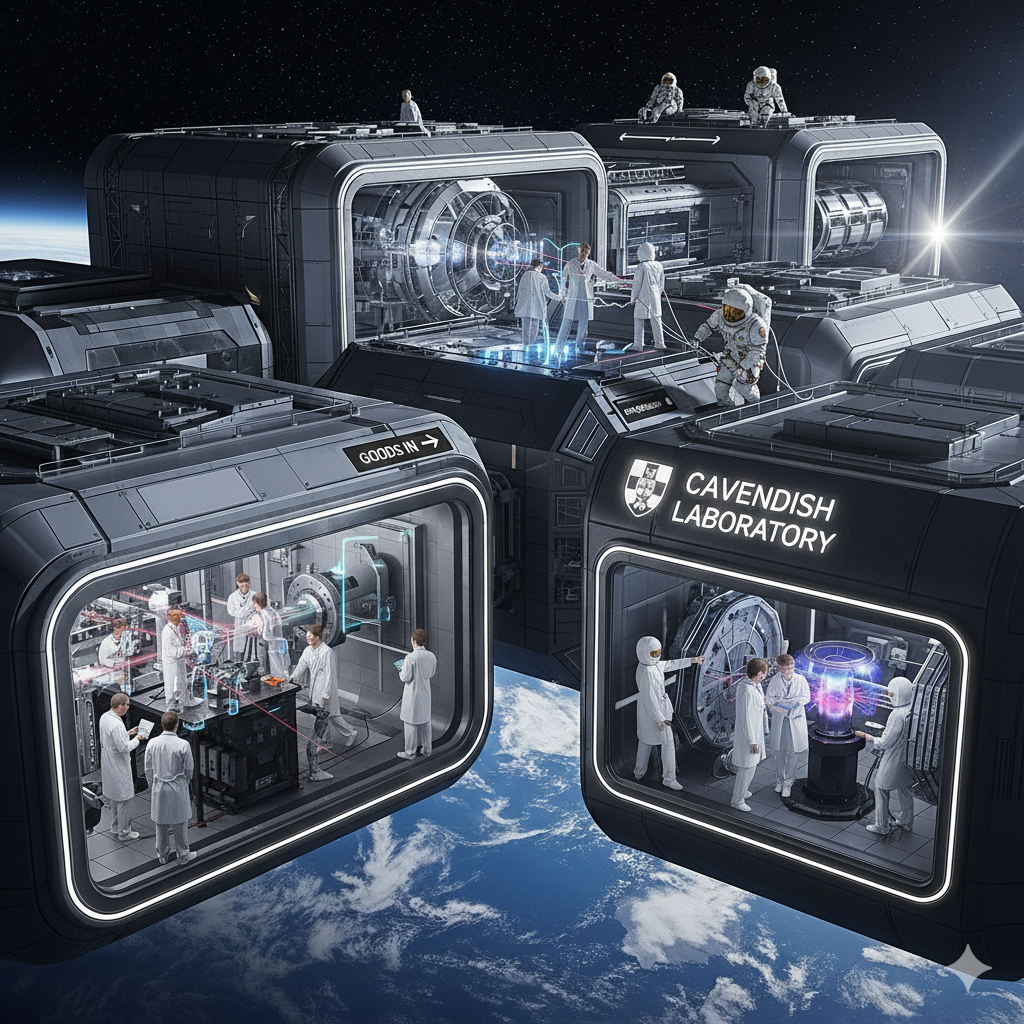
Cavendish IV: A Space Odyssey, by René Tronsgaard, generated with Google Gemini
Cavendish IV: A Space Odyssey, by René Tronsgaard, generated with Google Gemini
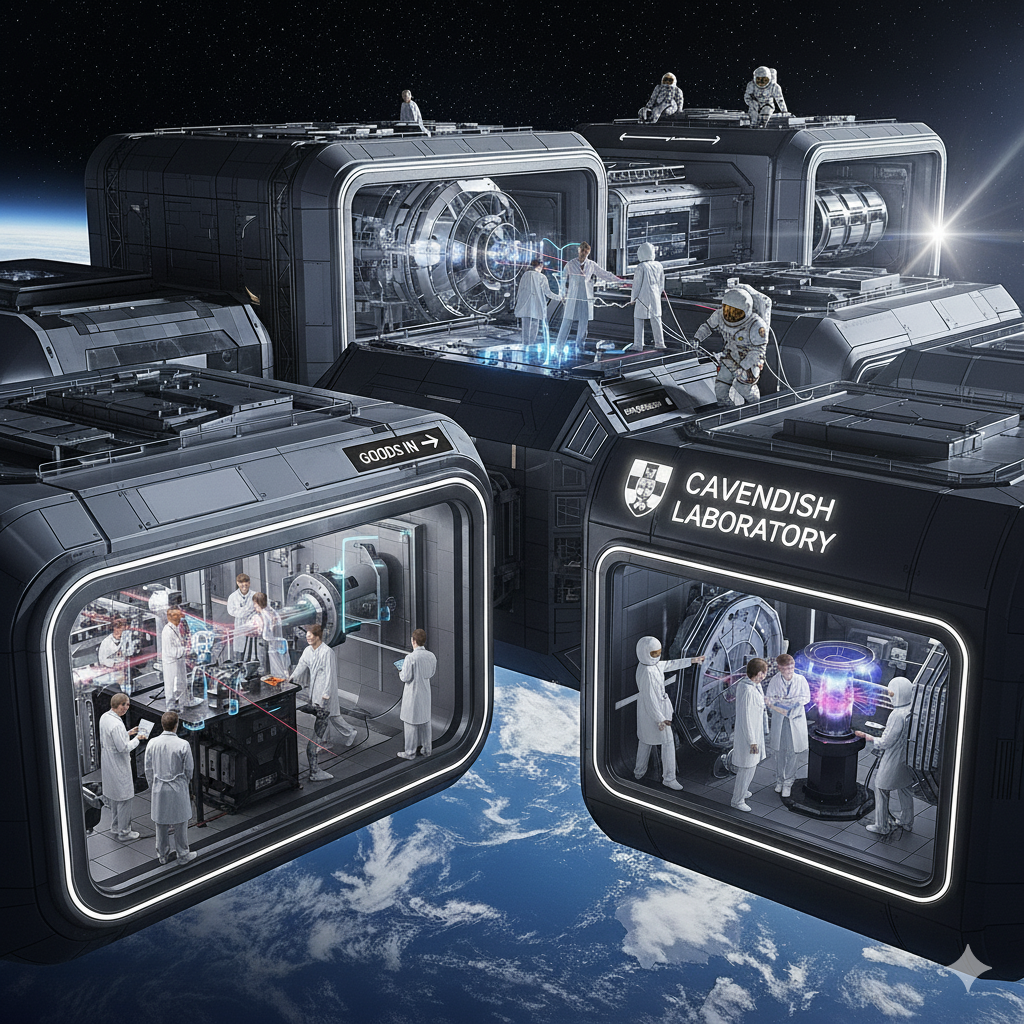
Cavendish IV: A Space Odyssey, by René Tronsgaard, generated with Google Gemini
Cavendish IV: A Space Odyssey, by René Tronsgaard, generated with Google Gemini
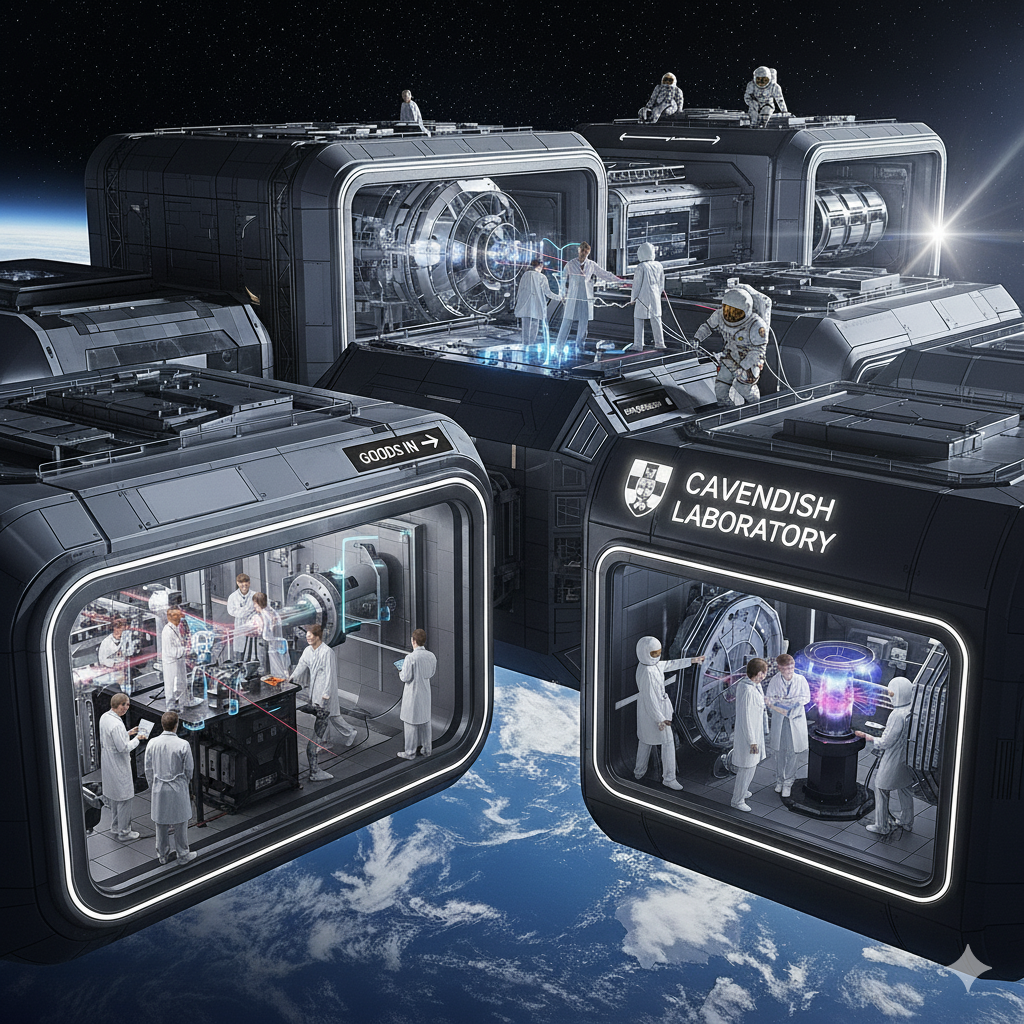
Cavendish IV: A Space Odyssey, by René Tronsgaard, generated with Google Gemini
Cavendish IV: A Space Odyssey, by René Tronsgaard, generated with Google Gemini
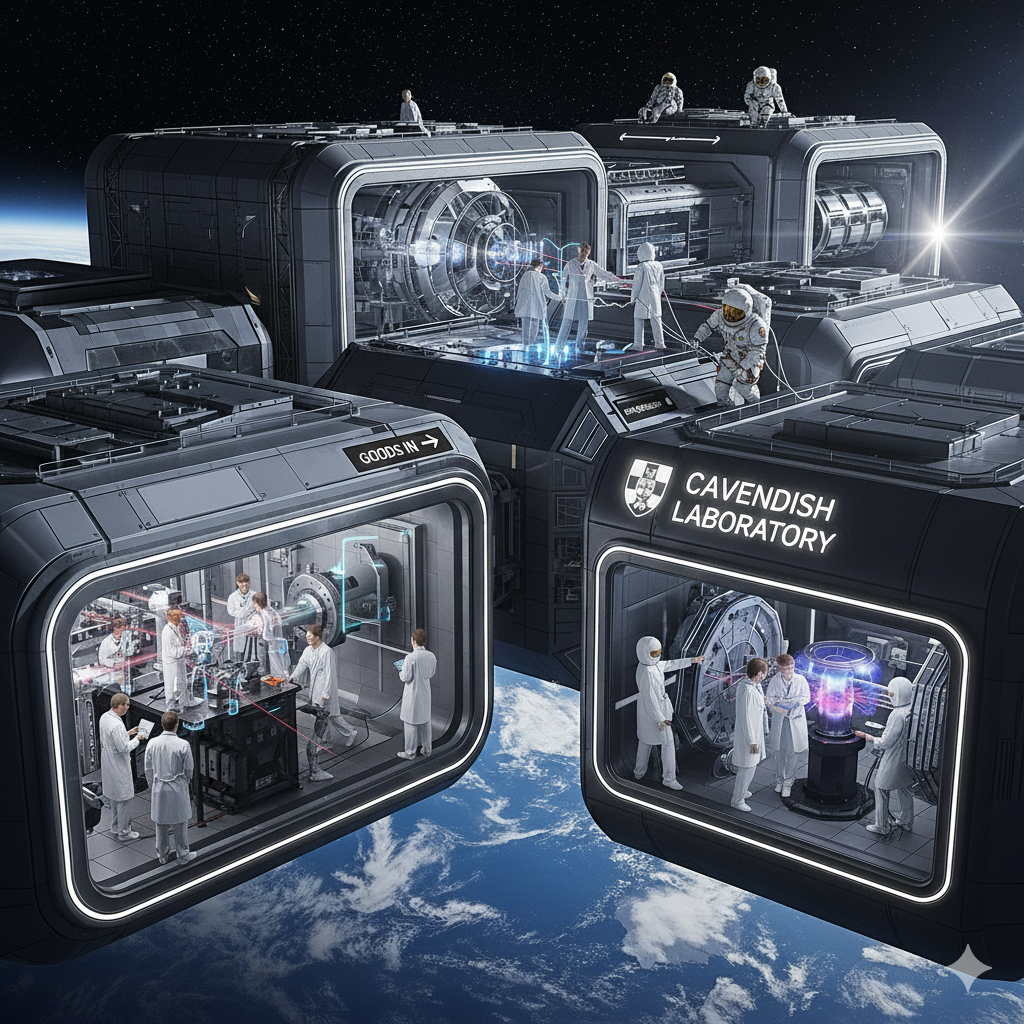
Cavendish IV: A Space Odyssey, by René Tronsgaard, generated with Google Gemini
Cavendish IV: A Space Odyssey, by René Tronsgaard, generated with Google Gemini
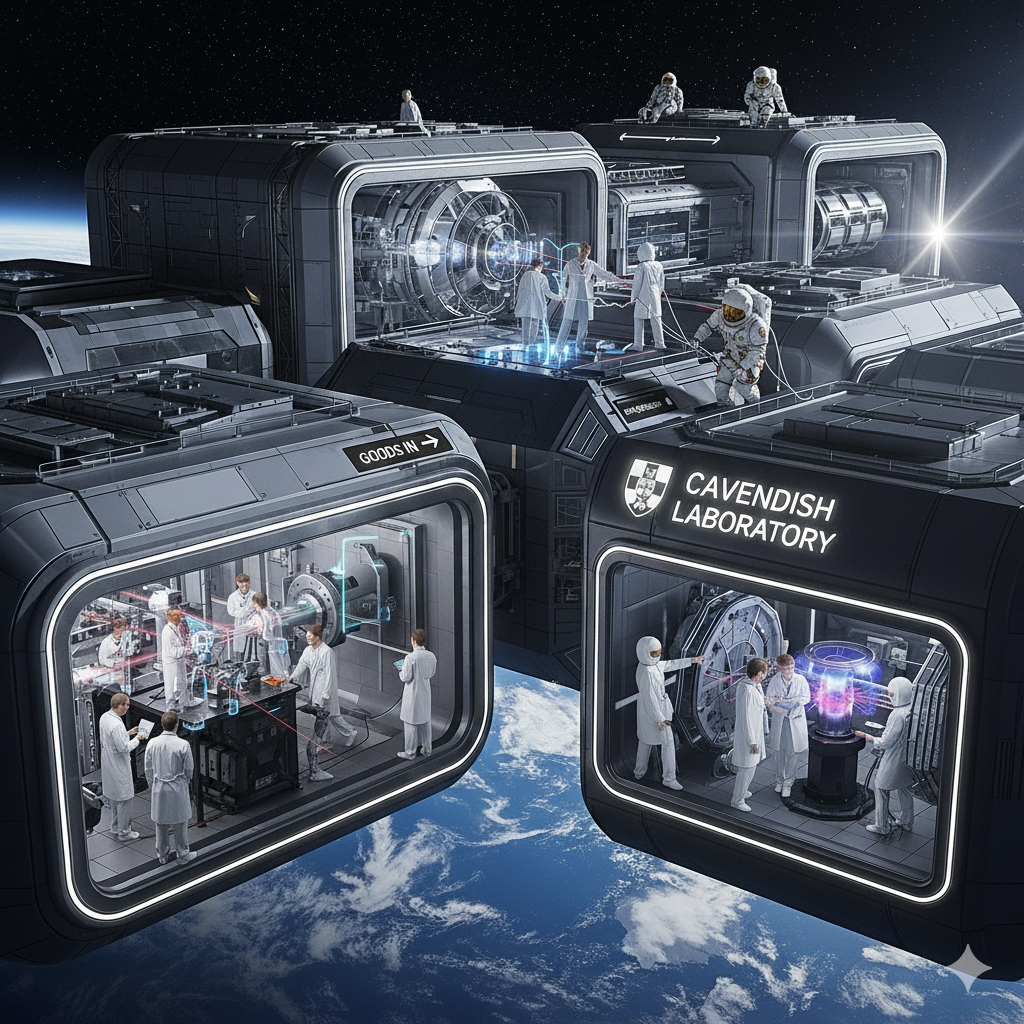
Cavendish IV: A Space Odyssey, by René Tronsgaard, generated with Google Gemini
Cavendish IV: A Space Odyssey, by René Tronsgaard, generated with Google Gemini